Future-Proof Storage: Why Container Shelters Are Outpacing Traditional Warehouses


Businesses across New Zealand are dealing with tighter margins, rising rental costs, and increasing pressure to protect stock from harsh weather. Many operators are finding that traditional warehouses no longer fit the way they work, especially when space needs to grow quickly or shift from site to site. That is where container shelters have stepped forward as a reliable way to future-proof storage without the long lead times or heavy investment of a full building. A lot of companies ask ShelterPro what makes these shelters a stronger long-term choice, so this guide walks through the reasons clearly and without fuss.
Container shelters have changed the way many businesses think about industrial storage. They offer a stable and weather-ready structure that sets up fast, stays solid in tough conditions, and adapts as the site changes. Once the framework is anchored and the cover is tensioned properly, the space works much like a small warehouse, only with more flexibility and far fewer upfront hurdles.
What Container Shelters Actually Offer
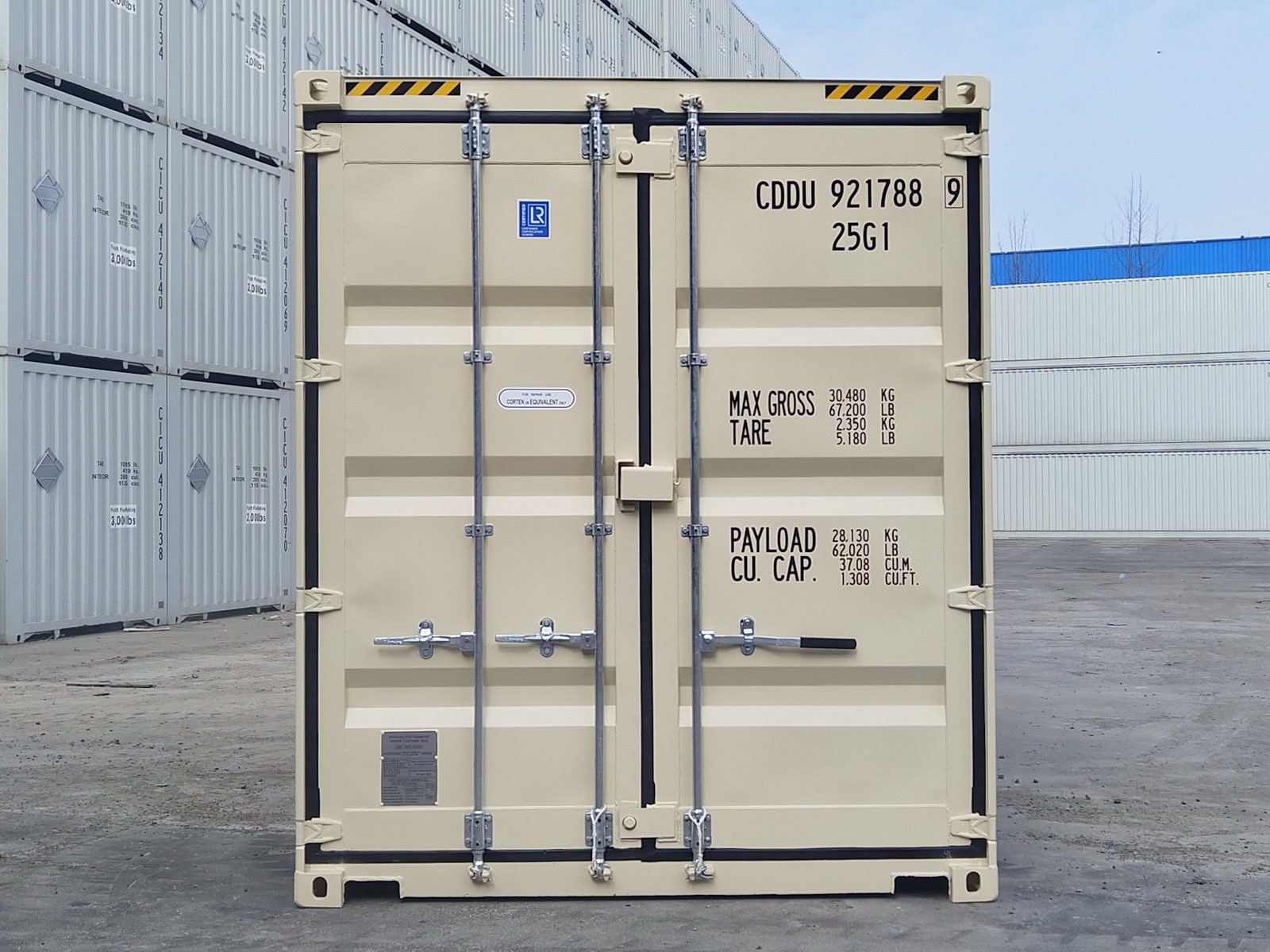
When a business brings a container shelter onto a site, they are getting a structure that makes use of standard shipping containers for the base and a strong, engineered roof span that creates a wide, usable space in between. This setup works well because the containers provide height, stability, and built-in storage, so the shelter arrives mostly prepared for assembly without needing major groundwork. Once everything is bolted down and the cover is pulled to the right tension, the shelter becomes a steady part of the yard that handles daily use without fuss.
Companies that move between jobs or operate across different parts of the region often find this approach far more practical than building a fixed warehouse. They can put the shelter to work quickly, shift it when the project changes, and adjust the layout as equipment or stock levels grow. This kind of flexibility is one of the main reasons businesses looking for reliable industrial storage solutions NZ wide turn to container shelters rather than committing to slow, costly construction.
Where Traditional Warehouses Fall Short
Warehouses have their place, but they come with real limitations in a changing industrial environment. Consents take time, and any major change to layout or size usually means more paperwork and higher costs. Older warehouse buildings can also struggle with moisture, uneven floors, and drafts that push dust across stored products. Leasing a warehouse ties a business to one location even when work shifts, and buying land for a new build is out of reach for many operators. When space needs to be increased, the process is slow and the cost often forces companies to work around cramped storage while waiting for approvals.
New Zealand’s busy industrial zones make these issues worse. Land is scarce, coastal air is rough on older structures, and storms can highlight weak points in an ageing roof or wall panel. For teams that rely on steady daily operations, these delays and surprises become expensive very quickly.
Why Container Shelters Are Becoming the Preferred Choice
Container shelters are popular not because they look modern but because they solve practical problems. The setup time is short, sometimes only a few days, and the shelter is ready to use as soon as the cover is tensioned. Operators do not need to commit to long leases or large building investments. Instead, they get a structure that holds firm in NZ’s weather, stays dry, and can handle vehicles, pallets, machinery, or bulk material under cover.
The flexibility is hard to beat. Shelters can be extended by adding more bays, widened with different roof spans, or fitted with walls if the site needs more protection. If a job moves, the entire unit can be relocated without losing the initial investment. Many businesses appreciate how the space can grow with them instead of locking them into a fixed footprint.
Because the shelters are engineered to AUS/NZ 1170.2:2021 wind standards, they are made for local conditions from the start. This is a major advantage over older warehouse structures that may not have been designed for modern wind zones or higher stress loads.
Built for New Zealand’s Tough Weather
New Zealand’s climate can change quickly, especially in coastal and inland wind corridors. A good container shelter handles high wind, heavy rain, and strong sun without constant maintenance. The curved roof sheds water cleanly, and the tensioned cover resists sagging over time. The structure handles UV exposure better than many older warehouse materials, and the containers themselves bring the shelter more weight and stability.
On remote or uneven land, shelters also perform well because they do not require a full foundation. They can be anchored on the containers, giving operators a sturdy footprint even when the yard surface is not perfect. This makes them ideal for rural contractors, marine yards, forestry crews, and logistics operators who work across multiple sites.
Common Uses Across New Zealand Industries
Container shelters are used in freight yards for pallet storage and vehicle protection. Construction companies use them as onsite workshops or equipment covers during long projects. Farms set them up for machinery or feed storage, and marine operators rely on them for boats, gear, and weather-sensitive materials. Councils and utility providers use shelters for stockpiles, maintenance equipment, and seasonal storage that shifts from year to year.
Each industry uses the space differently, yet the basic shelter design remains steady because it can adapt without major cost. This is one of the clearest signs that container shelters have moved from a temporary option to a genuine long-term solution.
Cost and Long-Term Value
Container shelters offer solid long-term value because the upfront cost stays manageable, the maintenance is minimal, and the structure can be put to work without the delays that come with building a traditional warehouse. Once the shelter is installed, most businesses find they can start using the space straight away, and they can shift or extend it later without disrupting daily operations. This makes the overall risk much lower than committing to a fixed building, and the return usually shows up quicker because the storage becomes usable almost immediately.
When companies look for a warehouse alternative, the flexibility of a container shelter becomes a major advantage. Operators can expand their storage without signing long leases or buying extra land, which is a common challenge across New Zealand’s tighter industrial zones. Many teams use shelters to handle seasonal peaks, keeping gear or materials dry when demand spikes and freeing up room again when the cycle slows. The value builds over time because the shelter adapts to the workload instead of forcing the business to reshape itself around a rigid structure.
Flexible and Scalable for Growing Businesses
Growth rarely happens in predictable steps. Some years require more coverage for machinery, while other years need more dry space for stock or materials. Container shelters make these shifts easier because they can be stretched, relocated, or reshaped without major disruption. Additional walls, doors, and panels can be added as operations evolve, and the shelter can move to a different part of the yard if layouts change. This level of control is a major reason businesses choose shelters over traditional buildings.
Choosing the Right Setup
Selecting a shelter begins with measuring the yard and understanding how vehicles or forklifts will move under the structure. The wind rating of the region is important, and the length of the shelter should match the scale of the operation. Some sites work well with open sides for quick access, while others need partial or full walls to handle weather exposure. Front and back walls can help seal the space, and the height of the containers often provides natural clearance for machinery. A steady setup at the start prevents issues later, which is why ShelterPro recommends planning around the daily flow of work, not just the size of the shelter.
When Container Shelters Replace Warehouses Entirely
Some businesses reach a point where a fixed warehouse no longer suits them. Seasonal industries shift locations across the year. Rural sites need strong cover without the cost of a fully engineered building. Coastal operators require structures that can be moved away from the salt air when needed. In these situations, a container shelter becomes more than a temporary cover. It becomes the main storage solution because it responds to the way the business actually works.
When operators realise they can scale up, move, modify, and secure storage with one system, container shelters become the clear warehouse alternative.
Closing Thoughts
If your business is weighing up the best way to future-proof storage, a container shelter can offer strength, flexibility, and long-term value without the delays of a traditional warehouse. The ShelterPro team can help you select a setup that suits your site conditions, your equipment, and the way your work shifts over the year. When you are ready to plan the next step, we can walk you through the options that will hold up in New Zealand conditions.
Related posts
Not sure where to get started? Get in touch with us.

We'll come right back to you.