When you’re investing in livestock and farm equipment, protecting that investment isn’t an afterthought. It’s part of running a smart operation. Whether you’re storing feed, keeping machinery out of the weather, or giving your stock a place to shelter, having the right covered space on your property changes how smoothly everything runs.
That’s exactly what ShelterPro has been helping property owners across the country achieve. It is a single, versatile shelter solution that covers your livestock needs and your farm equipment storage without breaking the bank.
What Makes Container Shelters Different?
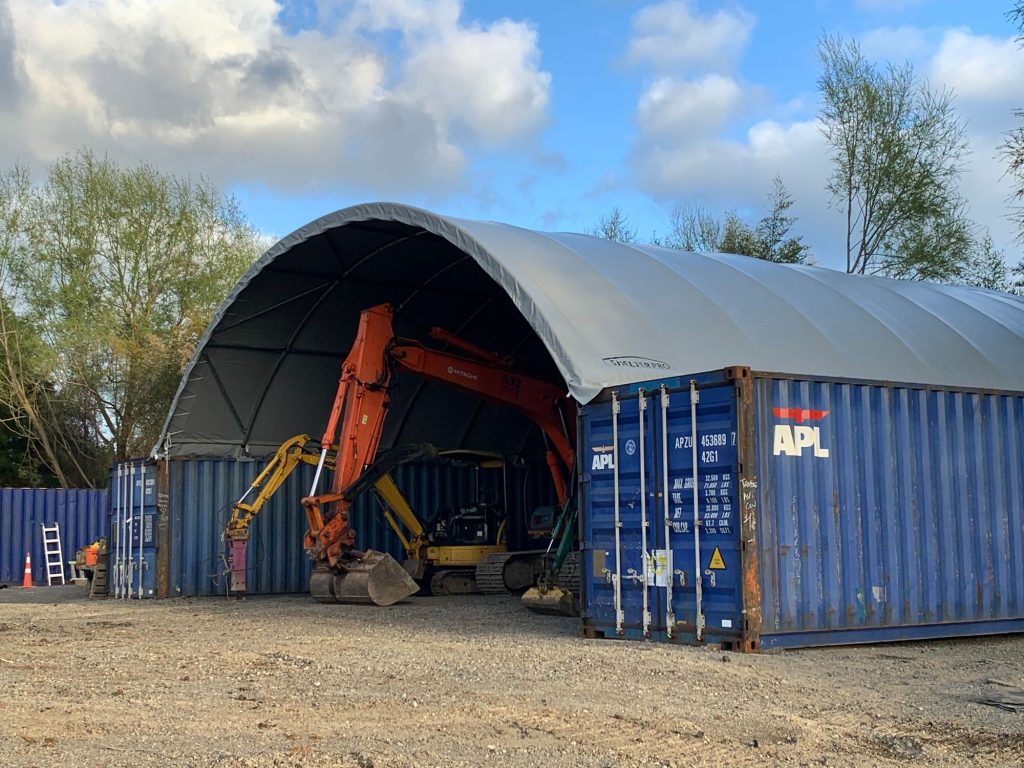
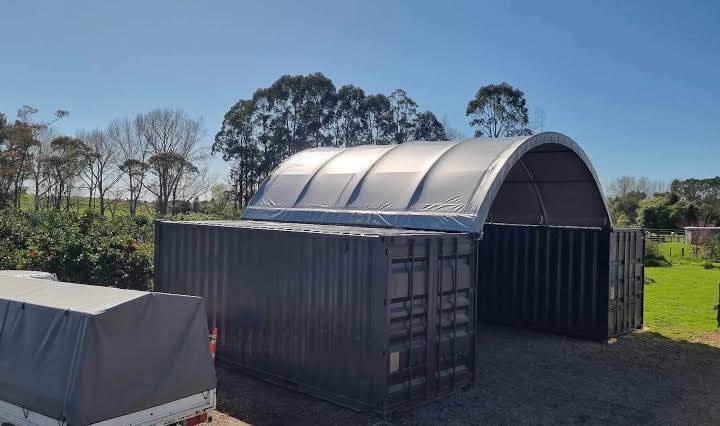
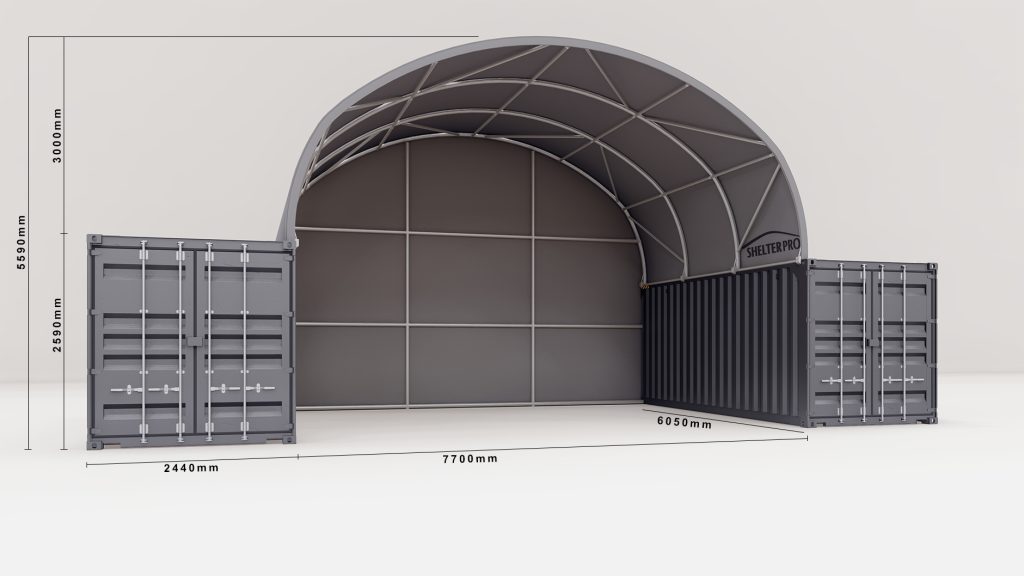
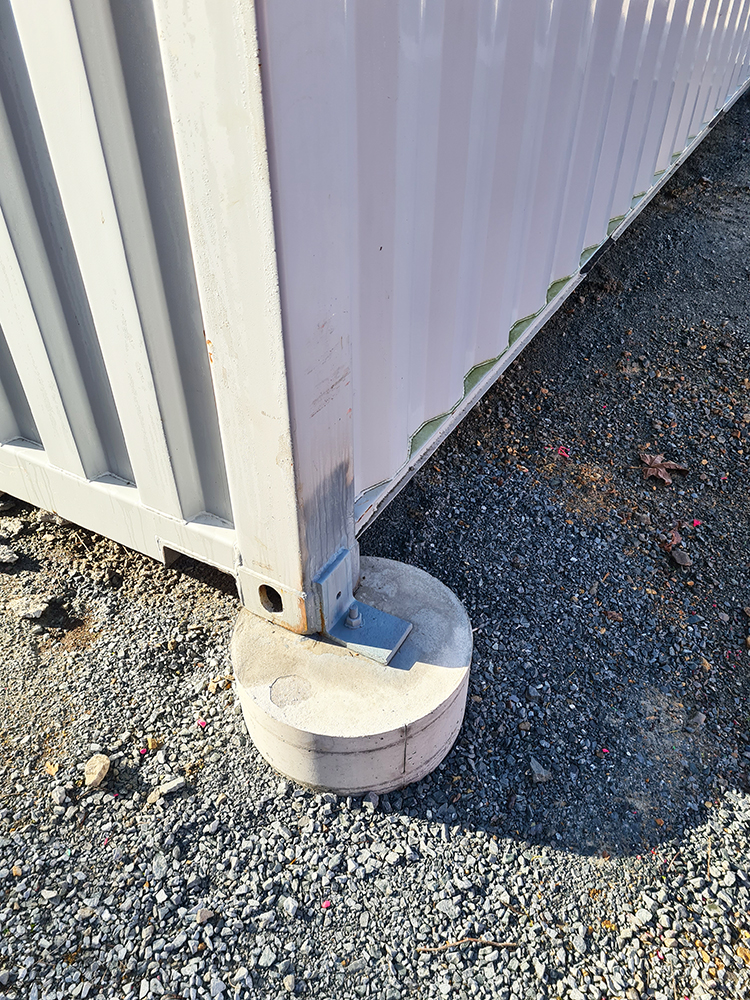
A container shelter is a tensioned canopy structure that spans between two shipping containers, creating a large, covered space that’s weatherproof, secure, and surprisingly easy to set up. The containers act as both the anchor and the side walls, so there’s no need for permanent foundations or resource consent in most cases.
What sets them apart from a traditional farm shed is flexibility. They can be relocated as your property layout evolves, expanded by adding more containers, and customised with walls and doors to suit whatever you’re storing. Whether it’s livestock feed, expensive machinery, or a temporary covered working area, the same shelter does the job.
One Shelter, Many Purposes
This is where container shelters really shine for sheep and cattle operations. Rather than building separate structures for different needs, one well-sized shelter can serve multiple roles across your property.
Livestock feed and hay storage:
Keeping hay, silage wrap, and supplements dry is one of the most important things you can do for your animals’ health over winter. Wet or mouldy feed causes real welfare issues, and replacing it is expensive. A container shelter gives you a dry, accessible covered space that’s easy to load from and easy to move feed out of quickly, right when your animals need it most.
Farm equipment and machinery storage:
Tractors, quad bikes, loaders, trailers, and specialist gear represent a significant investment. Leaving them exposed to UV, rain, and frost accelerates deterioration and drives up maintenance costs year after year. A covered shelter extends the working life of your equipment and keeps it ready when you need it.
Shearing and crutching operations:
A covered area for shearing protects both your sheep and your shearing gear. It keeps the wool dry, gives your team a more comfortable working environment, and means you’re not at the mercy of the weather when scheduling a shearing run.
Chemical and fertiliser storage:
Agrichemicals and fertilisers need to be stored dry, secure, and away from livestock. A container shelter with proper walls and doors ticks every box, and keeps you compliant with storage requirements at the same time.
On-property workshop space:
Running repairs on equipment in the open isn’t ideal. A container shelter with a solid base underneath gives you a practical covered workshop without the cost of a purpose-built building.
Don’t Forget the Animals Themselves
It’s easy to focus on equipment and feed when thinking about shelter, but the animals themselves benefit just as much from having a covered space available. Sheep and cattle that have access to shelter during harsh weather are less stressed, maintain their condition better, and are generally easier to manage.
During winter, a covered area gives cattle somewhere to stand off wet ground, which protects your pasture and reduces the mud and compaction that can take months to recover. For sheep, having a dry covered space during lambing can make a real difference to lamb survival rates, particularly in exposed or high-rainfall areas.
In summer, shade matters too. Stock that can get out of the heat graze more efficiently and aren’t burning energy trying to regulate their body temperature. A container shelter, with its large open span and good airflow, provides that relief without the stuffiness of a fully enclosed building.
It doesn’t have to be a dedicated animal shelter, either. The same structure that covers your hay and equipment during the week can double as a standoff area or temporary holding space when you need it. That flexibility is hard to put a price on when you’re managing stock through a tough season.
Why It Works Better Than a Traditional Shed
Purpose-built farm sheds have their place, but they come with significant drawbacks, particularly around cost, time, and permanence.
Cost is usually the first hurdle. A properly built shed with foundations, cladding, and consents can run into serious money before you’ve even thought about fit-out. A container shelter delivers a large covered footprint at a fraction of that cost, and you’re not sacrificing on durability or quality.
Speed matters too. Container shelters can be self-installed using supplied instructions or professionally installed by an experienced team. Either way, you’re looking at days to get set up, not months of construction.
Flexibility is the real long-term advantage. Your needs on a working property change over time. Paddock rotations shift, yards get reorganised, operations grow. A container shelter can move and adapt with you in a way that a poured-concrete shed never can.
What to Look for When Choosing a Farm Equipment Shelter
Not all shelters are built to the same standard, and on a working property, you need something that can handle whatever the weather throws at it, season after season.
Wind rating is non-negotiable. Look for shelters engineered to meet AUS/NZS wind standards, especially if your property is coastal or elevated. Hill country properties in particular take a hammering, and your shelter needs to be up to it.
Canopy durability matters for the long haul. A quality canopy will be UV-stabilised and resistant to tearing, and should come backed by a proper manufacturer’s warranty. Ten years is the benchmark to look for.
Size and clearance need to match what you’re actually storing. A tractor with a loader attached needs decent clearance height, and you’ll want enough width to manoeuvre without issues. Running a shelter on 40-foot containers gives you significantly more covered space than a 20-foot setup, so think carefully about current and future needs before you commit.
Installation support is worth considering too. Whether you prefer to self-install or want a professional team on-site to get it done right, make sure that option is available before you buy.
Is a Container Shelter Right for Your Property?
If you’re managing sheep, cattle, or both, and you’re dealing with exposed equipment, feed storage challenges, or the need for a flexible covered workspace, a container shelter is worth serious consideration.
It works best when you need covered storage of 35m² or more, when your equipment and feed represent a real financial investment worth protecting, and when you want a solution that can adapt as your property grows and changes. The ability to serve multiple purposes from a single structure is what makes it particularly well-suited to livestock operations, where the demands on any given day can vary enormously.
Ready to Find the Right Fit?
Your animals and your equipment both deserve proper protection. A quality container shelter gives you the covered, secure, multi-purpose space to make that happen, without the cost and commitment of permanent construction.
ShelterPro is New Zealand’s specialist in quality container shelters for livestock and farm equipment storage, locally owned and operated, with a full range in stock ready for nationwide delivery. Tony and the team take the time to understand what you actually need and help you find the right solution for your property.
Get in touch with ShelterPro today and find out how straightforward it can be to protect what matters most on your property.