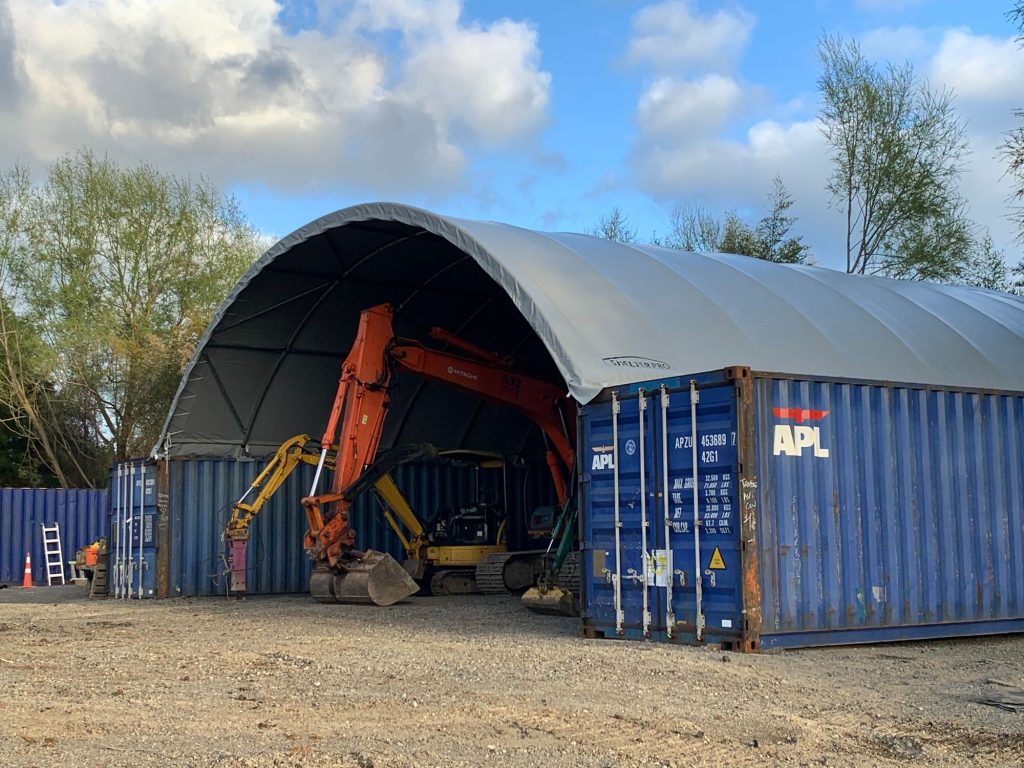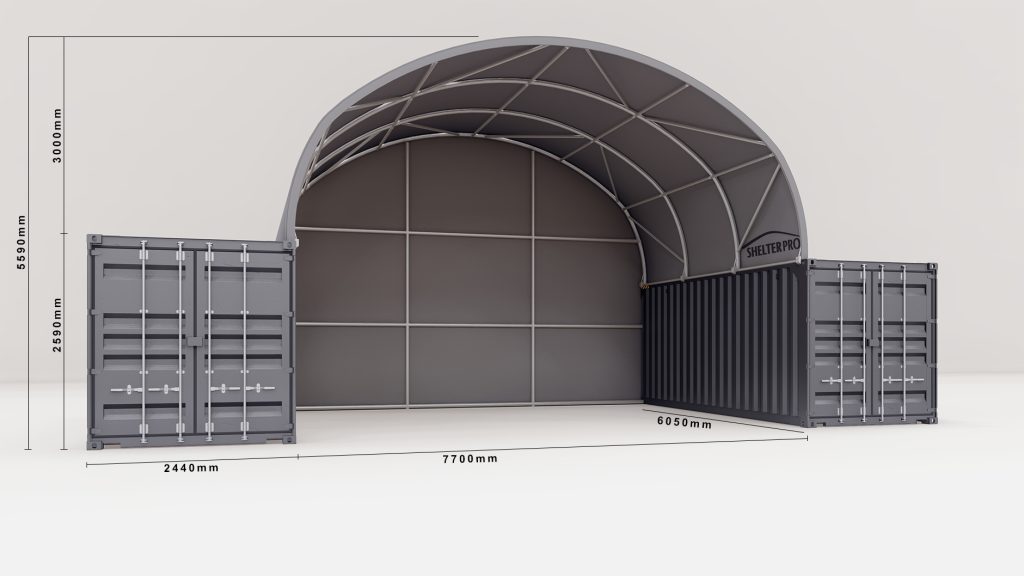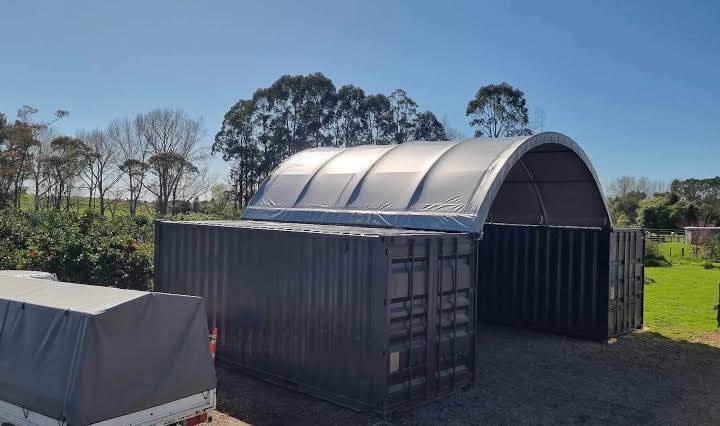
Equipment kept under a container shelter can usually be insured without much trouble, but cover depends on how the structure is built, secured, and maintained. Insurers generally want proof of a compliant wind rating, a locked or restricted site, and evidence that the shelter suits the gear stored inside it. Get these basics sorted, and equipment storage insurance in NZ becomes a fairly simple box to tick, rather than an ongoing source of back and forth with your broker.
At ShelterPro, we get asked about insurance almost as often as wind ratings, and honestly, the two questions are more connected than most people realise. A shelter is only worth its price tag if the gear underneath it is genuinely protected, both from the weather and from a financial hit if something goes wrong. So we want to walk through what actually matters when insuring equipment storage under a shelter, and how the right setup takes a lot of the friction out of the process.
Why This Matters More Than People Assume
It’s a common assumption that once gear is under cover, insurers see it the same way they’d see a shed or warehouse. That’s not quite the case. Insurance policies don’t just check whether something is protected from rain; they look closely at the structure itself, how secure the site is, and whether what’s actually there matches what was declared on the policy in the first place.
I’ve had conversations with clients who bought a shelter, moved their gear in, and only later discovered their insurer wanted more details before extending cover. It’s fixable, but far smoother to sort out before anything is signed than after a claim has already been questioned.
Businesses that document their shelter properly, from wind rating to anchoring, often find premiums sit lower than expected, simply because the risk is easier for an insurer to assess. This holds whether you’re running an aggregate yard, a construction site, or a farm storing hay and machinery, since container shelters get used across a huge range of industries here.
What Insurers Actually Ask About
When a broker or insurer assesses cover for stored machinery, tools, or stock, they’re usually working through a fairly consistent checklist.
Wind and structural rating. Our container shelters are engineered to AS/NZS 1170.2:2021 wind standards, and this carries real weight with insurers. They want confidence that a structure won’t collapse or lift in a storm, and documentation proving it meets a recognised standard shortens that conversation considerably.
Anchoring and installation. A shelter properly secured to the ground behaves very differently in extreme weather than one loosely pegged and left. Check out our installation process to see how our team handles anchoring on site, since a clear record of how it was fixed down is exactly what many insurers ask to see.
Site security. Open-sided storage tends to raise more questions than a fully enclosed setup. Fitting walls and doors to a shelter turns it into a lockable space, and that single change can shift how an insurer prices the risk.
What’s actually stored inside. Machinery, tools, stock, and vehicles carry different risk profiles. High-value plant or contractor tools usually need a specific mention on the policy rather than sitting under a general contents figure.
Maintenance and condition. A shelter that’s ageing or patched together doesn’t inspire much confidence. Ours come with a 10-year warranty, and keeping that paperwork on file gives an insurer something concrete to point to.
How This Plays Out Across Different Industries
The details shift a bit depending on the business doing the storing. Construction sites often relocate every few months, so insurers may want to know whether a shelter is relocatable and how it’s secured at each new location. Farmers storing hay, feed, and machinery should flag feed separately on a policy, since fire and weather risk differ from general equipment. Aggregate and material yards storing bulk product under cover still need the shelter’s wind rating on file. Trades businesses using a shelter as a lockable workshop tend to face closer scrutiny on security, since tools are a common target for theft.
Container Shelter vs Open Storage vs Fully Enclosed Building
It helps to see how the main storage options stack up from an insurance point of view. This isn’t about which option is best; it’s about what an insurer typically expects from each, and how premiums tend to sit as a result.
| Storage Type | Weather Protection | Security Level | Typical Insurer View | Relative Premium |
| Open yard storage | None | Low, unless fenced | Higher risk, often needs extra conditions | Highest |
| Container shelter, open-sided | Good, engineered roof | Moderate | Generally acceptable with wind rating proof | Moderate |
| Container shelter with walls and doors | Good, engineered roof | High, lockable | Often treated closer to a standard shed | Lower |
| Fully enclosed building | Excellent | High | Standard commercial rates | Lowest premium, far higher build cost |
Most of our clients land somewhere in the middle two rows, with a lockable, weatherproof space at a fraction of the cost of a permanent building. Plenty start with an open shelter and add walls and doors later, once storage needs or insurance requirements shift.
Steps to Make Insuring Your Gear Easier
A handful of practical moves go a long way when setting up equipment storage cover.
- Keep your shelter’s engineering certificate and wind rating documentation somewhere easy to find.
- Photograph the completed installation, particularly the anchoring points and any walls or doors fitted.
- Tell your broker exactly what’s stored, including approximate values, rather than leaving it as a vague catch-all figure.
- Note down the shelter’s warranty details and any ongoing maintenance carried out over time.
- If you’re covering high-value machinery, ask whether it needs to sit on a separate line of the policy rather than be folded into general contents.
- Revisit your cover annually, especially if you’ve added walls, doors, or extra shelters to the same site.
Custom Setups and Insurance
Not every yard or site fits a standard shelter footprint, and insurers are generally comfortable with that, provided the custom build still meets the same engineering standards as our regular range. If your operation needs something outside the usual sizes, it’s worth having that conversation with your insurer early rather than assuming a bespoke structure will slot into an existing policy.
This applies just as much to leased shelters as it does to ones you own outright. If you’re hiring or leasing rather than buying, check whether contents cover sits with you or with the leasing company, since the answer varies depending on the agreement. It’s a small detail that’s easy to overlook until a claim forces the question, so it’s worth settling upfront rather than assuming it’s covered by default.
Getting Set Up the Right Way
If you’re planning to store equipment, tools, or stock under a container shelter, the insurance side doesn’t need to be a headache. Choose a structure built to a recognised wind standard, get it properly anchored, and keep the paperwork that proves both. From there, most insurers are comfortable extending cover, leaving you with a secure, weatherproof space that does its job without adding unnecessary risk to your business.
It’s also worth revisiting cover whenever your setup changes, whether that’s adding walls and doors, bringing in higher-value machinery, or moving a shelter to a new site. A quick check-in with your broker at that point is far easier than untangling a gap in cover after something has already gone wrong.
If you’d like to talk through which shelter setup suits your storage and insurance needs, get in touch with our team, and we’ll help you find the right fit.